APRS — the Automatic Packet Reporting System — is the thing that makes a handheld radio show your position on a live map, exchange short text messages without cell service, and feed weather stations and telemetry into a global network. If you’ve ever watched aprs.fi and wondered how to get your own dot on the map, this guide is for you.
There are three honest ways to do APRS from a handheld setup, at very different prices.
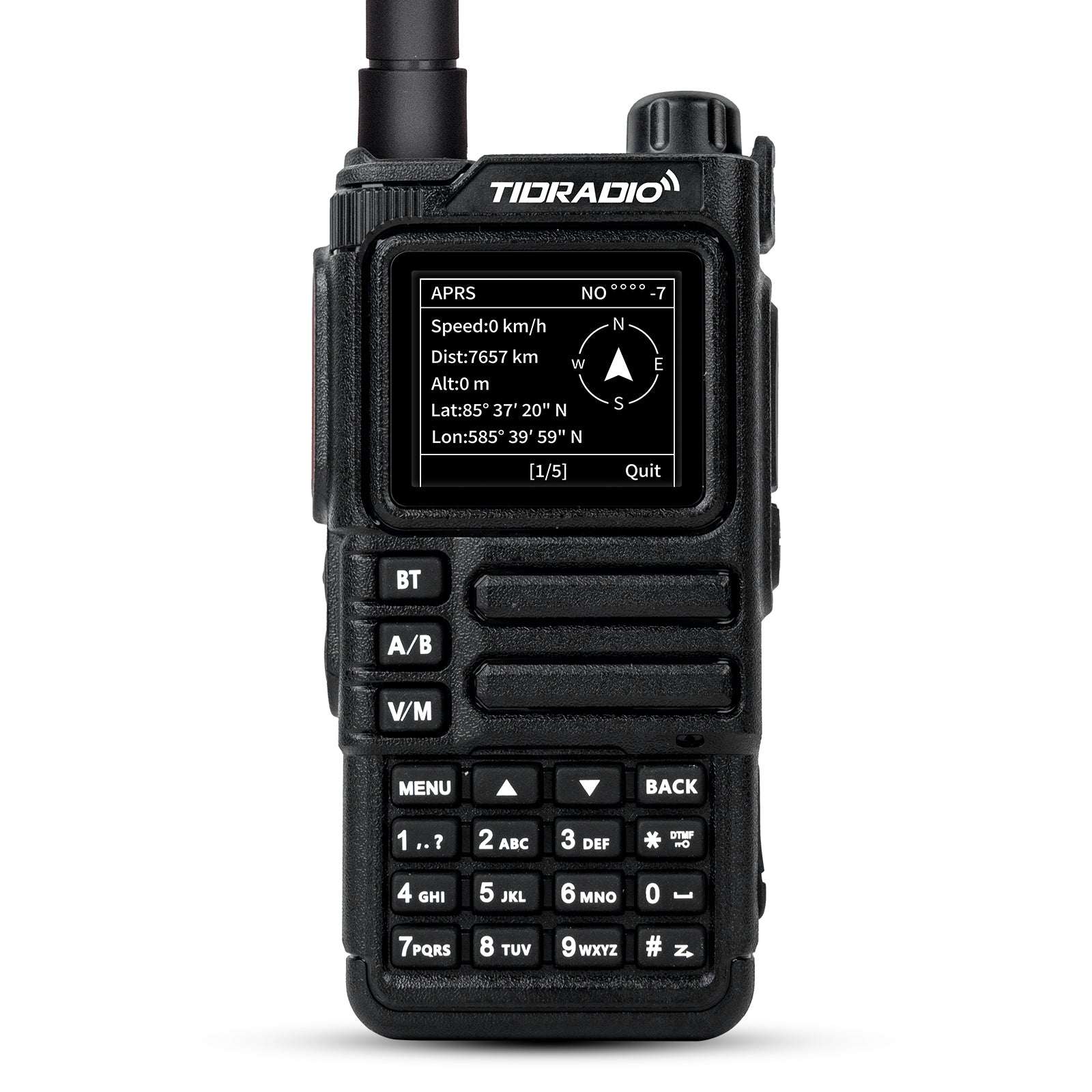
The Budget Path: TIDRADIO TD-H9 (APRS Version)
The TIDRADIO TD-H9 is the cheapest credible way to get native APRS in a handheld. It has built-in GPS and APRS modem functionality at a price that used to buy you a radio with neither. Range expectations should stay realistic — APRS on 144.390 MHz is line-of-sight like everything else on 2 meters, so your digipeater coverage matters more than the radio’s wattage. But for getting on the APRS network, experimenting with messaging, and having your position beaconed on hikes and drives, it’s the value pick by a wide margin.
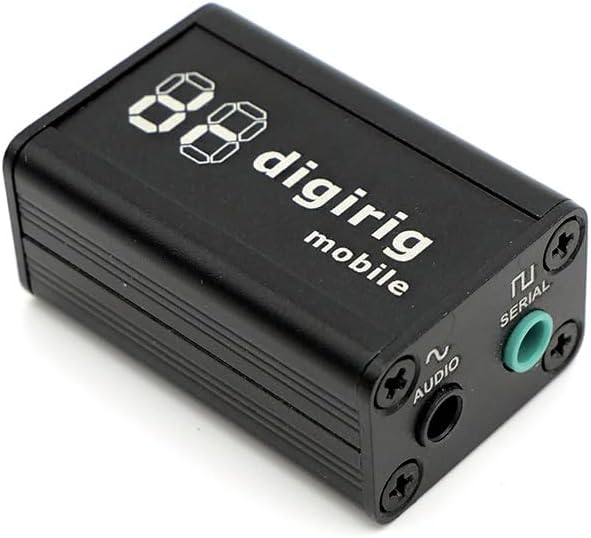
The Use-What-You-Own Path: DigiRig + Smartphone
Here’s the option most guides bury: you probably don’t need a new radio at all. A DigiRig Mobile interfaces nearly any HT with your phone, and apps like APRSdroid turn that combo into a full APRS station — GPS from the phone, modem in software, RF from the radio you already own. Total cost is the interface plus cables, and it works with the Baofeng or Yaesu sitting in your drawer right now. This is the path we’d suggest to anyone who already owns an HT and just wants to try APRS before committing.
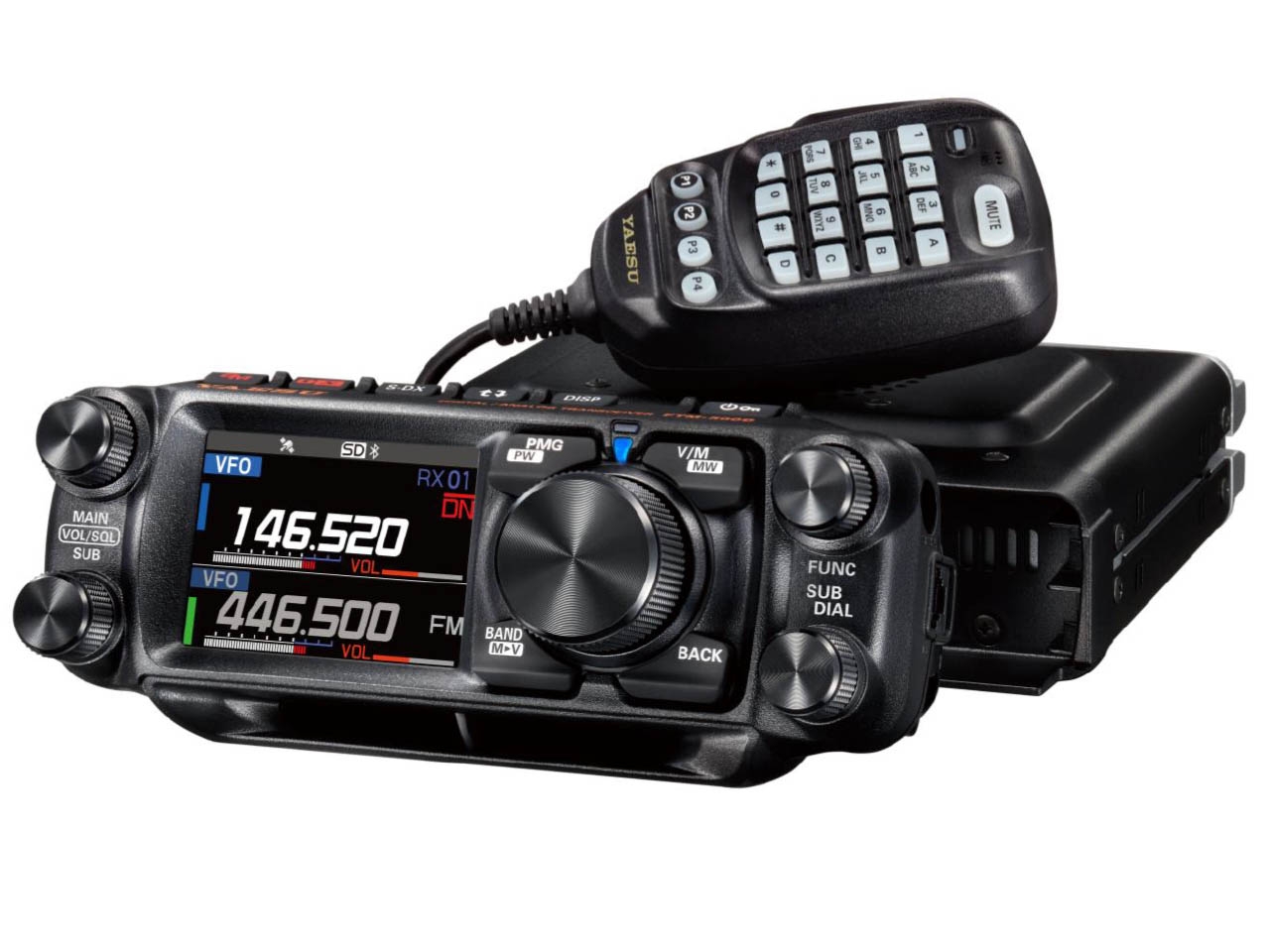
The Buy-Once Path: A Real Mobile Rig
If APRS is going to be a daily driver — emcomm, long road trips, a permanent vehicle install — a dedicated mobile rig earns its keep. The Yaesu FTM-510DR gives you 50W, a proper receiver, and the headroom to run a digipeater or iGate from the car. More power doesn’t bend physics, but a mobile antenna at roof height with 50W behind it will hit digipeaters a handheld never will.
What Actually Matters When Choosing
Built-in GPS vs. phone GPS. Native APRS handhelds need their own GPS lock, which can be slow indoors. The phone-plus-interface path gets instant GPS from the phone — one of its quiet advantages.
Digipeater paths. Whatever you buy, learn what WIDE1-1,WIDE2-1 means before you transmit. The default settings on most radios are fine in cities and wrong in rural areas. Five minutes reading your local APRS group’s recommendations beats any hardware upgrade.
Messaging, not just beacons. Position beacons are the demo; text messaging is the feature. Make sure whatever path you choose supports APRS messaging, because that’s what you’ll actually use in an emergency or on a group outing.
Start with the cheapest path that gets you beaconing this weekend. You can always upgrade the radio later — the APRS network doesn’t care what transmitted the packet.